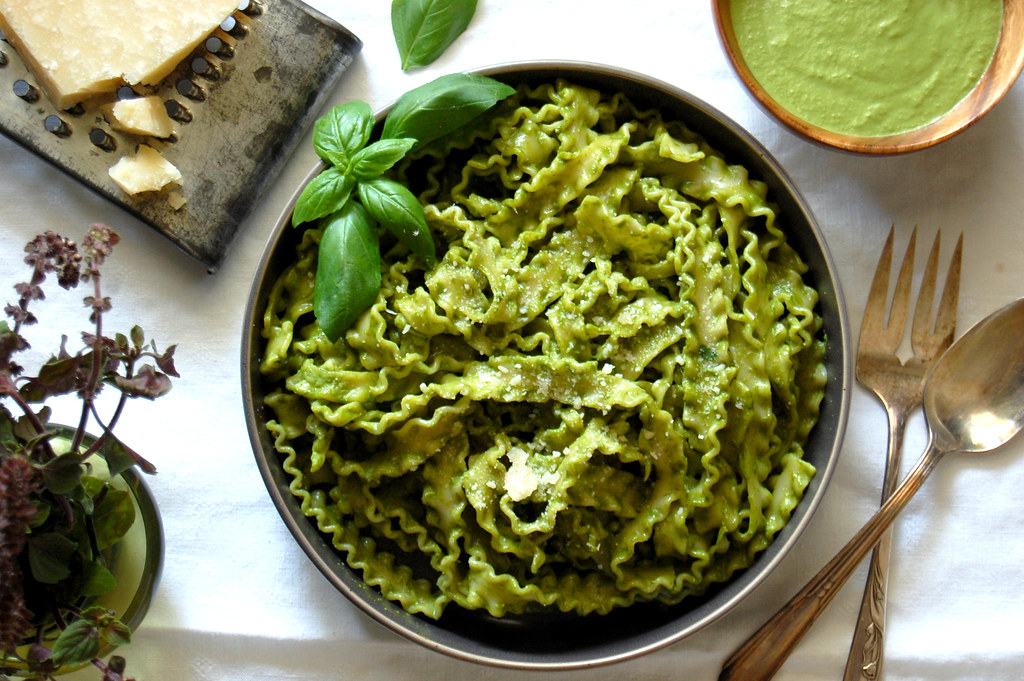
Unlock the Secret to the Greenest Homemade Basil Pesto
There’s an undeniable magic to homemade basil pesto. The vibrant aroma, the rich herbaceous flavor, the satisfying texture – it simply outshines any store-bought jar. While those convenient options might save you a few minutes, they rarely capture the intense freshness and brilliant emerald hue that defines truly exceptional pesto. If you're ready to elevate your culinary game and craft your very own batch of the greenest, most flavorful sauce that screams summer, then you’ve come to the right place. Get ready to discover the simple secrets behind making your new
favorite basil pesto.
Why Homemade Pesto Reigns Supreme
Forget everything you think you know about pesto if your experience is limited to the brownish-green contents of a jar. Homemade pesto is a revelation. It’s a celebration of fresh ingredients, bursting with life and ready in minutes, making it an incredibly versatile companion for countless dishes. Unlike its processed counterparts, which often suffer from dull flavors and a muted appearance due to preservatives and oxidation, fresh pesto maintains its spirited character.
From coating al dente pasta to brightening up roasted vegetables, enriching mashed potatoes, or even serving as a gourmet spread for sandwiches and toast, homemade pesto transforms ordinary meals into extraordinary culinary experiences. It’s not just a sauce; it’s a statement of flavor and freshness. Mastering this simple recipe means unlocking a world of gastronomic possibilities in your own kitchen, allowing you to enjoy a taste of sun-drenched gardens any time of year.
The Essential Ingredients for Your Favorite Basil Pesto
Crafting the perfect pesto begins with selecting the finest ingredients. Each component plays a crucial role in achieving that balanced flavor and stunning green color.
Basil: The Heart of the Matter
The star of the show, basil, demands attention. For the most authentic and intensely flavored pesto, seek out bright green, fragrant fresh basil leaves. Genovese basil is the gold standard for its sweet, peppery notes, but any high-quality sweet basil will yield excellent results. Always pull the leaves away from their stems, as stems can introduce a slightly bitter taste. Don't discard those stems entirely, though! They can be a fantastic addition to homemade tomato sauces or soups, imparting a subtle herbaceous depth. While traditional pesto calls for basil, don’t be afraid to experiment with other greens like kale, spinach, or arugula for unique flavor profiles – the basic process remains the same.
The Supporting Cast: Garlic, Nuts, Oil, and Cheese
*
Garlic: Less is often more when it comes to garlic in pesto. A single clove is usually sufficient to provide that essential pungent kick without overpowering the delicate basil. Too much garlic can dominate, stealing the spotlight from the main ingredient.
*
Pine Nuts: Traditionally, pine nuts lend a distinct buttery richness to pesto. However, they can be pricey. Fortunately, many alternatives work beautifully. Blanched almonds, walnuts, pistachios, or even sunflower seeds can substitute, each offering a slightly different nuance to the finished sauce. You can also make a delicious nut-free pesto; just be aware the texture will be a bit different, perhaps a touch less creamy but still incredibly fresh.
*
Olive Oil: Choose a high-quality extra virgin olive oil that you genuinely enjoy the taste of. Since you'll be using a generous amount, the oil’s flavor will significantly impact your pesto. A robust, fruity olive oil can elevate the entire dish, so don't skimp here.
*
Cheese: Parmigiano Reggiano or Pecorino Romano are the traditional cheeses, offering a salty, umami depth. Some chefs love to combine them for a more complex flavor profile. For a dairy-free option, nutritional yeast (about 2-3 tablespoons) provides a surprisingly nutty and cheesy flavor substitute. Always grate your cheese fresh for the best flavor and texture integration.
Unlocking the Secret to the Greenest Pesto: The Blanching Technique
This is the game-changer. The ultimate secret to achieving and maintaining that vibrant, fresh green color in your homemade pesto lies in a simple, often overlooked step: blanching your basil. Many home cooks skip this, only to find their beautiful green pesto gradually turn a dull olive drab in the fridge or worse, brown instantly when tossed with hot pasta. Blanching prevents this browning, locking in the basil's brilliant emerald hue.
Here’s the science behind it: Basil leaves contain enzymes that, when exposed to air (and especially heat), cause oxidation and the breakdown of chlorophyll, leading to discoloration. Blanching rapidly deactivates these enzymes without cooking the basil, essentially "fixing" the color.
The process is straightforward:
1. Bring a pot of water to a rolling boil.
2. Prepare a large bowl of ice water next to the stove.
3. Carefully dunk your fresh basil leaves into the boiling water for just 5 to 10 seconds. You’ll see them brighten almost immediately.
4. Using a slotted spoon or spider, quickly transfer the blanched basil directly into the ice water bath. This "shocks" the basil, halting the cooking process and further setting that vibrant green.
5. Once cooled, thoroughly pat the basil leaves dry with paper towels. Excess water can dilute your pesto.
6. Your basil is now ready to be transformed into the most stunningly green pesto you’ve ever made.
For a deeper dive into this transformative technique and why it's a must-try, you can learn more about
Ditch Store-Bought: Why Blanching Basil Makes the Best Pesto.
Beyond Blanching: Expert Tips for a Truly Exceptional Pesto
While blanching is pivotal for color, other nuances can elevate your
favorite basil pesto to gourmet status.
*
The Right Tool for the Job: While a traditional mortar and pestle offer unparalleled texture, a food processor is far more practical for most home kitchens. To mimic some of that hand-pounded texture, process your basil, garlic, and nuts until just finely chopped, then stream in the olive oil.
*
Stir in the Cheese Last: Avoid over-processing the cheese. Instead of blending it until completely smooth in the food processor, pulse it briefly with the other ingredients, or better yet, stir it in by hand at the very end. This prevents the cheese from becoming too pasty and helps maintain a desirable texture in your pesto, adding pockets of salty goodness.
*
Temperature Matters: Ensure all your ingredients, especially the olive oil, are at room temperature. Cold olive oil can solidify slightly and make your pesto grainy.
*
Don’t Overdo It: The key to fresh pesto is not over-processing. Pulse the ingredients until they reach your desired consistency – typically a coarse, spreadable paste – rather than running the processor continuously until it’s baby food smooth. This preserves texture and prevents the basil from oxidizing further due to heat from the motor.
*
Seasoning: A pinch of salt is crucial, and a grind of black pepper is a nice touch. Taste as you go and adjust to your preference. Some prefer a squeeze of lemon juice at the end to brighten the flavors even further, especially if the basil isn't super vibrant.
*
Storage for Longevity: To keep your vibrant pesto green and fresh, store it in an airtight container in the refrigerator. For extended freshness and to prevent browning, pour a thin layer of olive oil over the surface of the pesto before sealing. This creates a barrier against air. Pesto can also be frozen in ice cube trays or small containers for months, ready to be defrosted and enjoyed whenever a craving strikes.
These simple techniques ensure that every batch of your
favorite basil pesto is not only beautiful but also incredibly delicious and full of life. For more innovative ways to integrate this incredible sauce into your culinary repertoire, check out our guide on how to
Make Flavorful Basil Pesto in Minutes for Any Meal.
Unleash Your Pesto Creativity: Beyond Pasta
While pesto and pasta are a classic pairing, the versatility of your homemade green sauce extends far beyond. Experimentation is encouraged!
*
Sandwich Spread: Ditch the mayonnaise and elevate your sandwiches or wraps with a generous smear of pesto. It pairs beautifully with turkey, chicken, mozzarella, and roasted vegetables.
*
Eggs: Stir a spoonful into scrambled eggs or omelets for a burst of flavor.
*
Roasted Vegetables: Toss warm roasted potatoes, carrots, zucchini, or asparagus with pesto for an irresistible side dish.
*
Soups and Stews: Swirl a dollop into a bowl of minestrone, tomato soup, or even a hearty lentil stew just before serving for an aromatic finish.
*
Pizza Base: Use pesto instead of traditional tomato sauce for a fresh, vibrant pizza base, especially with chicken, feta, and sun-dried tomatoes.
*
Marinade: A quick marinade for chicken, fish, or shrimp.
*
Dips and Spreads: Mix into hummus, cream cheese, or Greek yogurt for a delightful dip.
The possibilities are endless. Once you have a batch of this vibrant, fresh pesto on hand, you'll find yourself reaching for it constantly, discovering new ways to infuse everyday meals with its unmistakable charm.
Conclusion
Making your own basil pesto is a culinary journey worth taking. It’s a simple act that yields immense rewards in flavor, freshness, and vibrant color. By carefully selecting your ingredients and embracing the game-changing blanching technique, you’ll not only create the greenest pesto possible but also unlock a depth of flavor that store-bought varieties can only dream of. So, roll up your sleeves, gather your basil, and prepare to elevate your home cooking with your very own, truly extraordinary
favorite basil pesto. Your taste buds (and your eyes) will thank you.