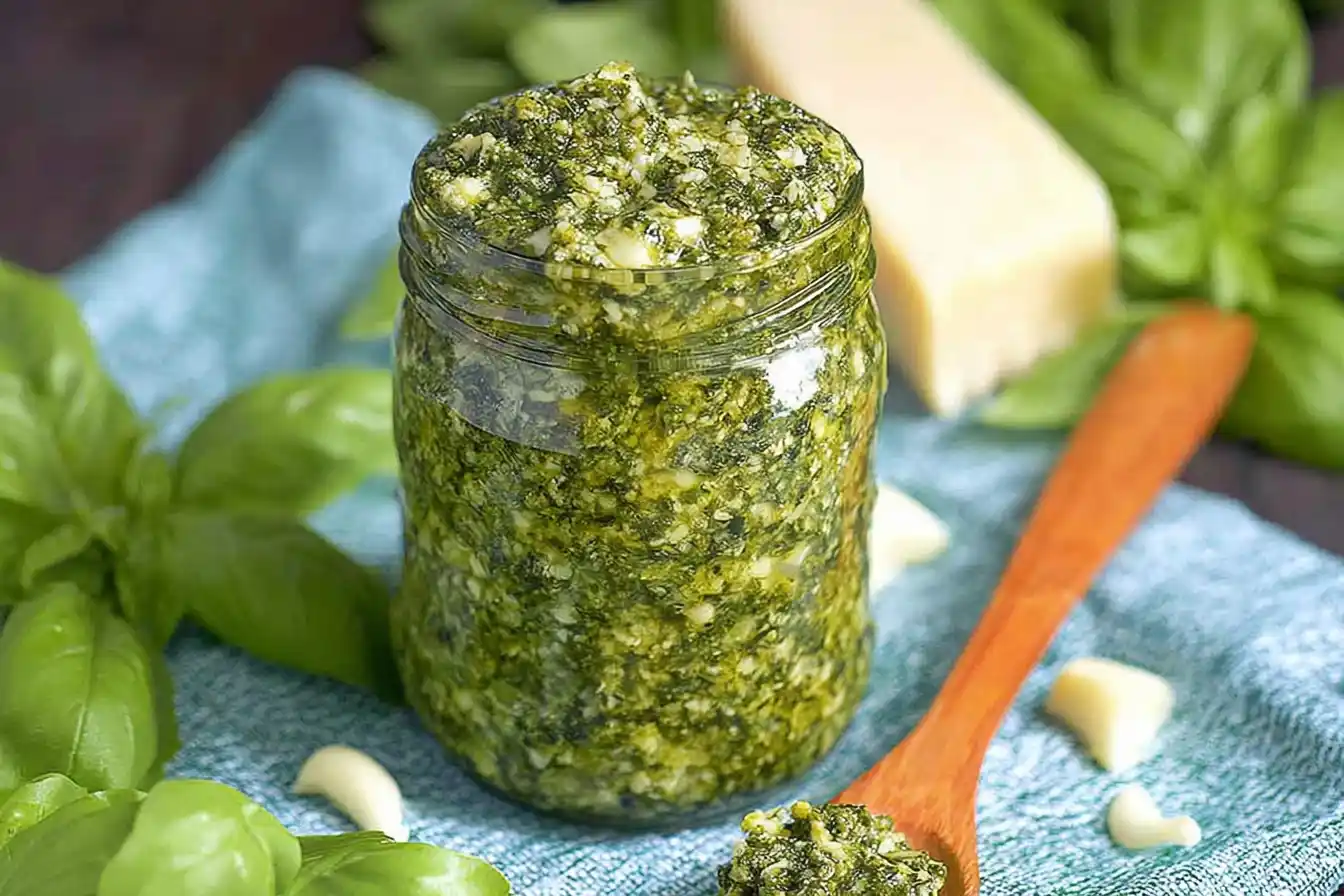
Make Flavorful Basil Pesto in Minutes for Any Meal
Imagine a vibrant green sauce, bursting with the fresh aroma of basil, garlic, and rich Parmesan, ready to elevate almost any dish you can think of. This isn't a dream from a gourmet restaurant; it's the reality of homemade pesto. For many, a homemade batch of basil pesto quickly becomes a culinary obsession, a staple that effortlessly transforms ordinary ingredients into extraordinary meals. Forget the dull, often overly salty jars from the supermarket shelf; creating your own favorite basil pesto from scratch is not only incredibly simple but also yields a flavor profile that sings with freshness.
There's a reason why homemade basil pesto is so beloved. It's an ode to summer, capturing the essence of sun-drenched basil leaves in a versatile, herbaceous sauce. The best part? You can whip up a batch in mere minutes, making it a perfect solution for busy weeknights or impromptu gatherings. Once you experience the unparalleled taste of fresh pesto, you'll understand why it's a game-changer in any kitchen.
Why Homemade Pesto Reigns Supreme Over Store-Bought
If you've ever felt underwhelmed by store-bought pesto, you're not alone. The pre-made versions often lack the bright, vibrant character of fresh pesto, sometimes appearing muted in color and tasting artificial or overly oily. Homemade pesto, however, offers an explosion of flavors and a beautiful, verdant hue that simply can't be replicated in a jar designed for long shelf life.
The difference lies in the freshness and quality of ingredients, along with the immediate preparation. When you make your own, you control every element, from the pungency of the garlic to the richness of the olive oil and the sharpness of the cheese. This hands-on approach ensures a sauce that's not just "good enough" but genuinely spectacular – a true testament to the power of fresh, quality components. The moment you taste your own batch of this delightful green sauce, you'll realize it's incomparable to anything you can buy ready-made.
The Essential Ingredients for Your Favorite Basil Pesto
Making a truly exceptional pesto requires attention to each key ingredient. While the process is straightforward, selecting the right components makes all the difference in achieving that perfect balance of flavor and texture for your favorite basil pesto.
Fresh Basil: The Heart of the Sauce
Undoubtedly, basil is the star of this show. For the most authentic and flavorful pesto, seek out bright green, fragrant fresh basil leaves. Many culinary purists advocate for Genovese basil, known for its sweet yet slightly peppery notes, making it ideal for traditional Italian preparations. When preparing your basil, gently pull the leaves from the stems and discard the stems. These stems, however, are packed with flavor and can be saved to infuse tomato sauces or soups – simply add them during cooking as you would a bay leaf, then remove before serving.
While traditional pesto relies on basil, don't shy away from experimenting! Greens like kale, spinach, or arugula can be fantastic substitutes, each lending its own unique character to the sauce. The basic method remains the same, allowing for endless creative variations.
Garlic: Aromatic Depth, Not Dominance
Garlic provides a crucial aromatic foundation for pesto, but balance is key. Too much garlic can easily overpower the delicate basil flavor. Typically, one clove of garlic is sufficient for a standard batch, offering a subtle warmth and zest without stealing the spotlight. Adjust according to your personal preference, but err on the side of caution to let the basil truly shine.
Pine Nuts (or Your Preferred Nut): Creamy Texture and Nutty Notes
Traditional pesto uses pine nuts, prized for their buttery texture and mild, slightly sweet flavor. They contribute a lovely richness and body to the sauce. However, if pine nuts aren't readily available or if you prefer a different profile, successful substitutions abound. Blanched almonds, walnuts, pistachios, or even sunflower seeds can work wonderfully. Each will impart a slightly different flavor, offering exciting variations on your favorite basil pesto. You can even make pesto entirely without nuts for an allergen-friendly version; while the texture will be a bit different, the sauce remains incredibly fresh and delicious.
Olive Oil: The Unifying Elixir
Given that olive oil constitutes a significant portion of pesto, its quality is paramount. Choose a high-quality extra virgin olive oil whose flavor you genuinely enjoy. A good oil will bind all the ingredients together, adding a smooth, fruity, and sometimes peppery note that enhances the overall taste without overwhelming it. Avoid generic or low-quality oils, as their flavor will be pronounced in the final product.
Parmesan or Pecorino: Salty, Umami Kick
The cheese component delivers a vital salty, savory, and umami depth. Parmigiano Reggiano is a classic choice, offering a nutty, complex flavor. For a sharper, tangier kick, Pecorino Romano is an excellent alternative, made from sheep's milk. Feeling adventurous? A combination of both cheeses can create a wonderfully balanced and intricate flavor profile. If you're looking to make pesto without cheese, you can simply omit it or substitute with 2 to 3 tablespoons of nutritional yeast, which provides a remarkably nutty and cheesy flavor without dairy.
Mastering the Art: Tips for the Greenest, Most Flavorful Pesto
While making pesto is straightforward, a couple of expert tips can elevate your homemade sauce from good to truly exceptional, ensuring it remains vibrant and packed with flavor.
Blanching Your Basil: The Secret to Vibrant Green
This tip might sound unconventional, but blanching your basil is a game-changer for achieving the brightest, most beautiful green pesto that resists browning over time, even when added to hot pasta. The brief plunge into boiling water stops enzymatic reactions that cause oxidation, locking in that vivid color. For a deeper dive into this technique, read our article: Ditch Store-Bought: Why Blanching Basil Makes the Best Pesto.
Here’s how to do it:
- Bring a pot of water to a rolling boil.
- Prepare an ice bath in a separate bowl.
- Dunk the fresh basil leaves into the boiling water for just 5 to 10 seconds.
- Immediately transfer them to the ice bath to stop the cooking process.
- Once cooled, thoroughly pat the leaves dry with paper towels. Excess water can dilute your pesto.
This simple step ensures your favorite basil pesto stays as appealing to the eye as it is to the palate. Discover more about this secret technique in Unlock the Secret to the Greenest Homemade Basil Pesto.
The Hand-Stirred Cheese: Preserving Texture
Traditionally, Italian pesto is made with a mortar and pestle, which creates a beautifully textured sauce rather than a perfectly smooth purée. While a food processor offers speed and convenience, it can sometimes over-process the cheese, leading to a less distinct texture. To mimic that artisanal feel, try stirring the grated cheese in by hand at the very end of the process, after the other ingredients have been pulsed together. This simple act helps maintain some delightful texture, preventing your pesto from becoming too uniform and giving it that authentic, rustic charm.
Balancing Flavors: Adjusting as You Go
Don't be afraid to taste and adjust! Once you've blended your pesto, give it a taste. Does it need more salt? A pinch of black pepper? Sometimes, a tiny squeeze of fresh lemon juice can brighten the flavors, especially if your basil isn't super vibrant. The beauty of homemade is that you can customize it perfectly to your liking.
Beyond Pasta: Unleashing the Versatility of Your Favorite Basil Pesto
One of the most remarkable qualities of homemade basil pesto is its incredible versatility. While it's famously delicious tossed with pasta – particularly fresh, homemade varieties – its applications extend far beyond. Once you have a batch of your favorite basil pesto on hand, a world of culinary possibilities opens up:
- Elevate Breakfast: Swirl a spoonful into scrambled eggs, or spread it on toast with avocado.
- Lunchtime Upgrade: Use it as a vibrant spread for sandwiches or wraps, mix it into chicken or tuna salad, or drizzle over a fresh caprese salad.
- Dinner Delights: Stir it into creamy mashed potatoes, toss with roasted vegetables like asparagus or zucchini, use it as a base for homemade pizza, or dollop onto grilled chicken or fish. It's also fantastic stirred into a minestrone or vegetable soup.
- Appetizer & Snack Star: Serve it as a dip with crusty bread, crackers, or vegetable sticks. Mix it with cream cheese for a flavorful bagel spread, or drizzle over bruschetta.
The herbaceous, nutty, and savory notes of pesto complement an astounding array of dishes, making it an indispensable tool for adding instant gourmet flair to any meal, any time of day.
Creating your own basil pesto at home is a rewarding experience that far surpasses the convenience of store-bought alternatives. With just a few fresh ingredients and a couple of clever techniques, you can conjure up a vibrant, aromatic sauce that not only "screams summer" but also adds a touch of culinary magic to countless dishes. Embrace the freshness, customize it to your heart's content, and get ready to make your new favorite basil pesto in minutes. Your taste buds will thank you!
